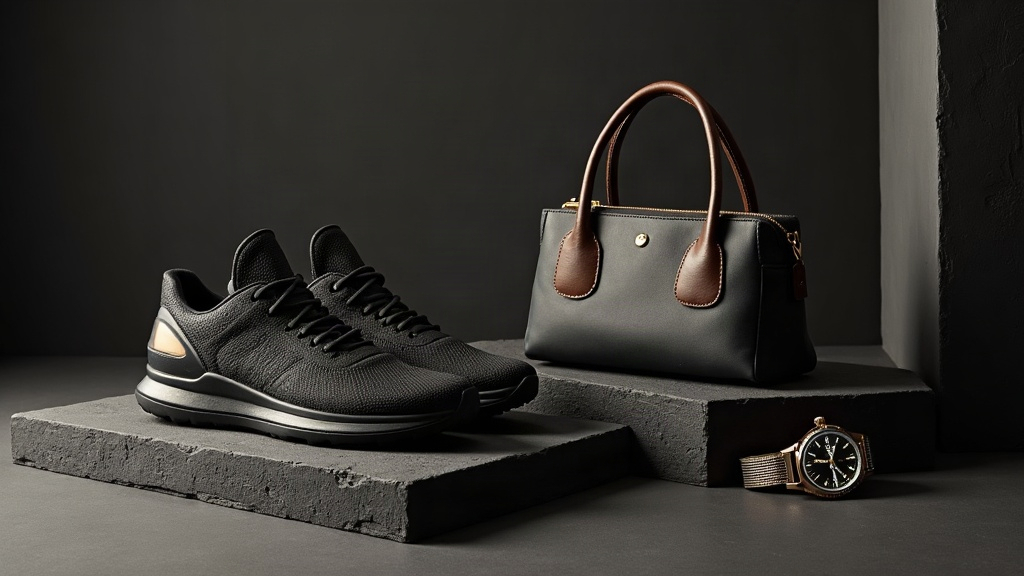
Shopping for designer reps has evolved dramatically over the past few years. What was once a gamble of questionable quality has transformed into a sophisticated market where top-tier replicas rival retail pairs in construction, materials, and visual accuracy. Whether you're exploring reps to access sold-out styles, sidestep inflated resale markups, or simply build a versatile wardrobe without the premium price tag, understanding the landscape is essential to making smart purchases.
This comprehensive guide walks you through everything from quality tiers and pricing structures to what separates an excellent replica from a mediocre one. You'll learn what to look for before you buy, how QC photos protect your investment, and why certain batches command higher prices than others.
What Are Designer Reps and Why Do People Buy Them?
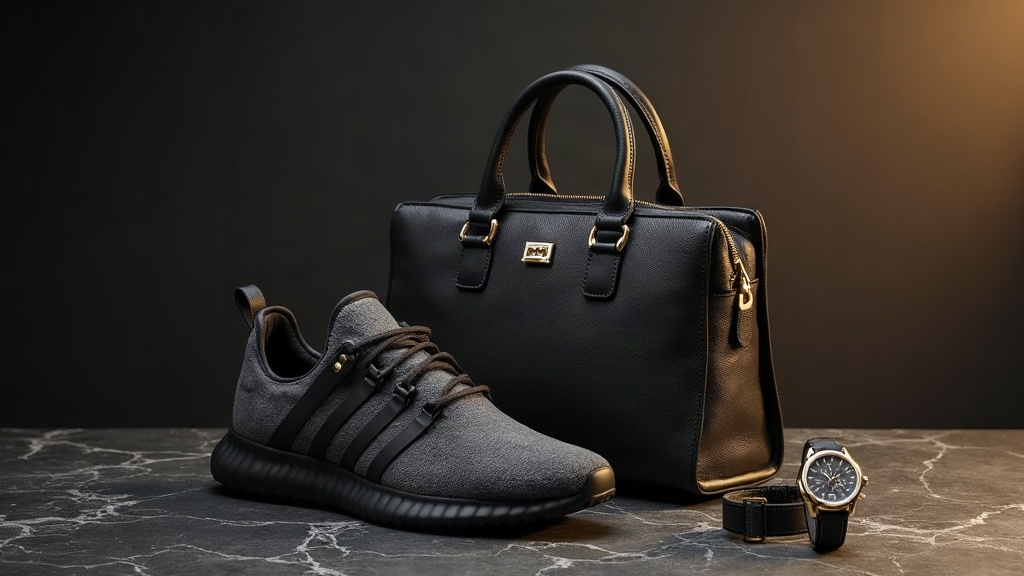
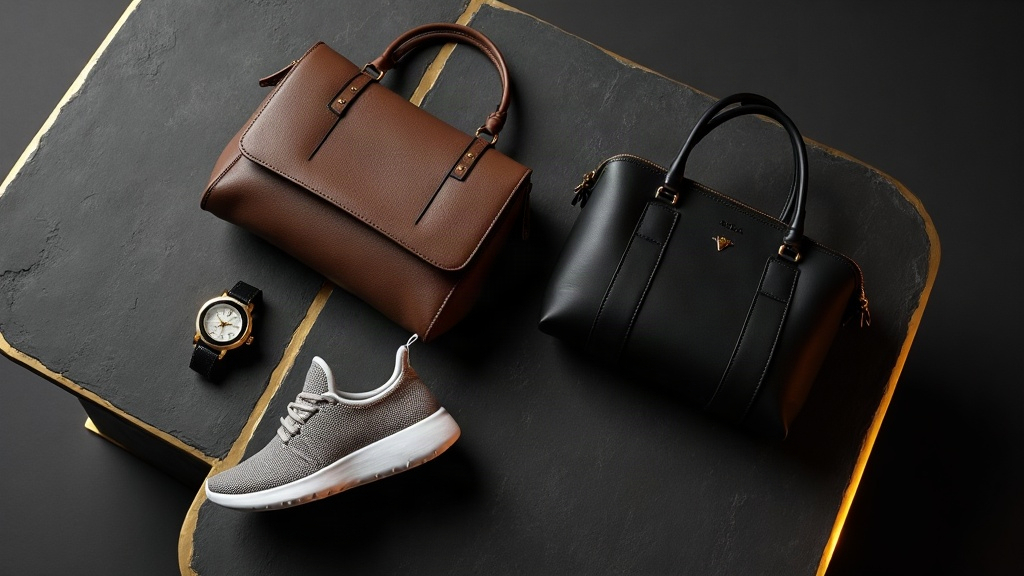
Designer reps (short for replicas) are unauthorized reproductions of luxury fashion items—handbags, sneakers, watches, clothing, and accessories—that mirror the design, branding, and appearance of retail pieces. These are not the retail items themselves; they are unofficial reproductions created to look identical to the models they replicate.
People choose reps for several compelling reasons. The most obvious is cost: a top-batch replica designer bag might run $150–$400 instead of $3,000–$8,000 for the retail equivalent. Sneaker enthusiasts frustrated by limited drops and bot-driven resale markets turn to rep sneakers to wear the styles they love without paying four-figure resale premiums. Others appreciate the ability to试验 (experiment) with trends or colorways without the commitment of a significant financial outlay.
Beyond price, reps offer access. When a coveted bag sells out instantly or a hyped sneaker never restocks, replicas provide a way to own that design. For daily wearers who prioritize function over investment, a well-made rep delivers the aesthetic and utility without the anxiety of damaging a multi-thousand-dollar purchase.
Understanding Designer Reps Quality Tiers
Not all replicas are created equal. The rep market operates on a tiered system, and understanding these tiers is crucial to getting value for your money.
Budget Tier
Budget reps typically cost $30–$80. They capture the general silhouette and colorway but often fall short on materials, stitching, hardware weight, and fine details. Logos may be slightly misaligned, leather might feel plasticky, and construction shortcuts become apparent with close inspection. These work for distant Instagram photos but rarely hold up to in-person scrutiny or extended wear.
Mid Tier
Mid-tier reps ($80–$150) represent a significant quality jump. Materials improve noticeably—real leather instead of PU, sturdy canvas, better rubber compounds on sneaker soles. Details like stitching patterns, logo placement, and hardware finishing are more accurate. These reps satisfy most casual observers and offer decent durability for regular use.
High Tier (1:1)
High-tier or "1:1" reps ($150–$400+) aim for near-indistinguishable accuracy. These batches use premium materials that closely match retail specifications: full-grain leather, high-grade stainless steel, precise colorways, and accurate weight distribution. Stitching counts match, stamping depth is correct, serial number formats follow brand conventions, and even interior linings and packaging replicate the retail experience. For most buyers, this tier provides the best balance of quality and value.
Super/Ultimate Tier
A few specialized batches push even further, sometimes costing $400–$600. These target collectors and enthusiasts who want every microscopic detail perfect—correct date codes, spot-on factory stamps, aged hardware finishes, or rare materials. The improvement over high-tier is often minimal to the untrained eye, making this tier worthwhile mainly for those deeply familiar with the retail versions.
What to Look for When Shopping Designer Reps
Successful rep shopping requires knowing what details separate great replicas from poor ones. Here's what to scrutinize:
Material Quality
Touch and feel matter. Quality reps use genuine leather, durable canvas, solid metal hardware, and robust zippers. Budget versions substitute PU leather (plastic-coated fabric), lightweight alloy hardware that tarnishes quickly, and flimsy fabrics. Check product descriptions for material specifications and examine close-up photos carefully.
Stitching and Construction
Retail luxury items feature tight, even stitching with consistent thread tension. Count stitches-per-inch if possible, inspect seam alignment, and look for loose threads or skipped stitches. Quality reps replicate the same stitch patterns and techniques—edge stitching on bags, quarter panel stitching on sneakers, and reinforced stress points.
Logo and Branding Accuracy
Logos are often the first giveaway of a poor rep. Check font thickness, letter spacing, logo placement, and stamping depth. High-tier reps nail these details; budget versions often have slightly wrong fonts, uneven stamping, or misaligned monograms. Compare product photos against retail images from the brand's website or trusted resellers.
Hardware and Finishing
Zippers should glide smoothly with substantial weight. Buckles, clasps, and chains should feel solid, not hollow. Metal finishing—whether polished, brushed, or aged—should match the retail piece. Engravings on hardware (brand names, model numbers) should be crisp and correctly spelled.
Color Accuracy
Colorways must match retail releases. Slight shade differences stand out, especially on popular models. Reputable sellers provide natural-light photos or videos to show true color. Be wary of overly edited product shots with unnatural saturation or lighting.
Packaging and Accessories
Top-tier reps often include branded boxes, dust bags, authentication cards, and care booklets that closely mirror retail packaging. While packaging doesn't affect wearability, it's an indicator of batch quality and attention to detail.
The Importance of QC Photos Before Shipping
One of the most significant protections when buying designer reps is the QC (quality control) photo process. Before your order ships, you receive actual photographs of your specific item—not stock images—so you can inspect it for flaws.
QC photos let you verify logo placement, check stitching quality, examine hardware, confirm colorway accuracy, and spot any defects before the item leaves the warehouse. If something looks off, you can request an exchange for a better unit. This process eliminates the surprise of receiving a flawed item and demonstrates a seller's confidence in their inventory quality.
At UADepot, every order includes comprehensive QC photos from multiple angles before shipment, giving you full transparency and peace of mind. This approach has become the gold standard in the rep community, separating trustworthy sellers from those who ship blindly and hope for the best.
Pricing: What Should Designer Reps Cost?
Pricing varies widely based on item category, quality tier, and complexity. Here are realistic ranges for 2025:
- Sneakers: Budget ($40–$70), Mid ($80–$130), High ($140–$200). Complex models with premium materials (e.g., Python leather, intricate colorways) may reach $220–$250.
- Handbags: Budget ($50–$100), Mid ($120–$200), High ($220–$400). Larger bags or those with complex hardware command higher prices.
- Watches: Budget ($80–$150), Mid ($180–$300), High ($350–$600). Mechanical movements and precious metal plating increase costs significantly.
- Clothing: Budget ($30–$60), Mid ($70–$120), High ($140–$250). Outerwear and pieces with technical fabrics cost more.
- Accessories: Budget ($20–$50), Mid ($60–$100), High ($120–$200). Small leather goods fall in the lower ranges; larger items like luggage cost more.
If a price seems too good to be true—like a $50 bag claiming to be "1:1"—it probably is. Quality materials and skilled labor have real costs. Conversely, overpaying doesn't guarantee quality; some sellers inflate prices banking on uninformed buyers. Research typical batch pricing in rep communities before purchasing.
Common Pitfalls and How to Avoid Them
Buying Based on Price Alone
The cheapest option is rarely the best value. A $40 bag that falls apart in two months costs more in the long run than a $180 high-tier version that lasts years. Assess cost-per-wear and durability, not just upfront price.
Ignoring Seller Reputation
The rep market has its share of unreliable sellers—those who bait-and-switch with stock photos, ship without QC approval, or vanish after payment. Stick with sellers who have established reputations, transparent processes, verified customer reviews, and robust QC photo policies.
Expecting Perfection
Even the best reps are not identical to retail pieces under microscopic examination. Minor variations exist—a slightly different interior stamp, marginally different leather grain, or trivial hardware weight differences. These micro-flaws are usually invisible in normal use. Set realistic expectations: you're buying a high-quality replica, not a retail item at a discount.
Skipping Size and Fit Research
Sizing can vary between batches. For designer clothes reps and sneakers, consult size charts, read reviews, and measure your feet or body accurately. Many sellers provide detailed measurements or sizing notes—use them.
Neglecting Care and Maintenance
Reps require the same care as retail luxury items. Condition leather regularly, store bags properly, clean sneakers gently, and service watches periodically. Proper maintenance extends lifespan dramatically and keeps items looking fresh.
How to Find the Best Designer Reps
Successful rep shopping involves research and patience. Start by identifying the specific model and colorway you want—exact names help narrow searches and compare batches. Seek out sellers who specialize in your desired category; watch specialists often carry better watch reps than generalists, for example.
Examine product photos critically. Zoom in on logos, stitching, and hardware. Compare them side-by-side with retail images from the brand's website. Read customer reviews focusing on material quality, accuracy, and durability rather than just generic praise. Look for reviews with customer photos showing the item after weeks or months of use.
Verify the seller's QC photo policy and return/exchange terms. Reputable sellers stand behind their products with clear policies. Be wary of sellers who refuse QC photos or have vague "all sales final" policies.
Consider starting with a single item from a new seller to test quality and service before placing larger orders. This minimizes risk while you evaluate their reliability.
Designer Reps Across Categories
Replica Sneakers
The sneaker rep market is arguably the most mature and sophisticated. Popular models like Jordan 1s, Dunks, Yeezys, and New Balance see constant batch improvements with near-perfect accuracy. Top batches replicate retail materials—genuine leather, suede, and mesh—with correct colorways, accurate toe box shapes, and proper midsole tooling. Boost and Air cushioning technologies are replicated effectively, providing similar comfort to retail pairs.
Replica Handbags
Handbag reps span entry-level totes to intricate statement pieces. High-tier batches use real calfskin, lambskin, or canvas with accurate grain patterns and texture. Hardware weight and finishing closely match retail, and interior linings, pockets, and date codes replicate the retail construction. Popular models from brands like Chanel, Louis Vuitton, Hermès, and Gucci see the most investment in batch development and refinement.
Replica Watches
Watch reps range from simple quartz pieces to complex automatic movements. High-tier reps feature sapphire crystals, solid stainless steel cases, correct weight distribution, and reliable movements. Dial printing, lume quality, and bracelet finishing are key differentiators. While intricate complications (like perpetual calendars) are harder to replicate accurately, popular three-hand and chronograph models achieve impressive accuracy.
Replica Clothing
Clothing reps include everything from basic logo tees to technical outerwear. Quality varies significantly; look for correct fabric weight, accurate tags and labels, proper embroidery or screen printing, and accurate sizing. High-end technical pieces (like puffer jackets or performance wear) require specialized production to replicate insulation, waterproofing, and construction techniques.
Replica Accessories
Belts, wallets, scarves, sunglasses, and jewelry reps offer accessible entry points into designer aesthetics. Small leather goods reps benefit from simpler construction, making high accuracy easier to achieve. Sunglasses reps should feature UV-protective lenses, sturdy hinges, and correct logo placement. Jewelry reps using quality plating and stones provide the look at a fraction of retail prices.
Shipping, Customs, and Delivery
Reputable sellers handle shipping logistics carefully to ensure smooth delivery. Most use established international carriers with tracking numbers provided at shipment. Delivery times typically range from 7–21 days depending on destination and customs processing.
Customs risk is real but manageable. Experienced sellers use discreet packaging, accurate but conservative customs declarations, and ship via routes with proven success rates. While no shipment is 100% guaranteed, the vast majority of packages clear customs without issue. Seizures, when they occur, usually result in confiscation without further penalty for the buyer in most countries.
Look for sellers offering free worldwide shipping or transparent shipping costs. Hidden fees erode value quickly. UADepot includes free worldwide shipping on all orders, eliminating surprise costs and simplifying the buying experience.
Frequently Asked Questions
How close are designer reps to retail versions?
High-tier designer reps achieve 95–99% visual and material accuracy compared to retail items. They use similar materials, replicate construction techniques, and mirror design details closely. Minor differences exist under close expert examination—slightly different interior stamps, marginally different hardware weight, or trivial leather grain variations—but these are typically invisible during normal wear. For most buyers and observers, quality reps are indistinguishable from retail pieces in everyday situations.
Will designer reps last as long as retail items?
Durability depends on tier and care. High-tier reps using genuine leather, quality hardware, and solid construction often last years with proper maintenance—conditioning leather, storing properly, and handling with care. Budget reps may show wear sooner due to inferior materials and shortcuts in construction. Generally, a well-made rep will provide 70–90% of the lifespan of a retail item when cared for properly, which still translates to years of regular use.
How do I know which batch or quality tier I'm buying?
Reputable sellers clearly indicate quality tiers in product descriptions and pricing. Look for terms like "high tier," "1:1," "premium batch," or specific batch names (like "LJR" for certain sneakers). Material descriptions ("genuine leather" vs. "PU leather"), detailed specifications, and price points also signal quality level. Always request or review QC photos before purchase to verify actual quality matches seller claims. If a seller is vague about batch or tier, ask directly or consider it a red flag.
Can I return or exchange designer reps if I'm not satisfied?
Return and exchange policies vary by seller. The most customer-friendly approach involves QC photos before shipping—you approve or request exchange based on those photos, ensuring satisfaction before the item leaves the warehouse. Post-delivery returns are less common due to international shipping costs and customs complications, but some sellers offer exchanges for defective items. Always review a seller's specific policy before purchasing. At UADepot, comprehensive QC photos before shipment minimize the need for returns by catching issues early.