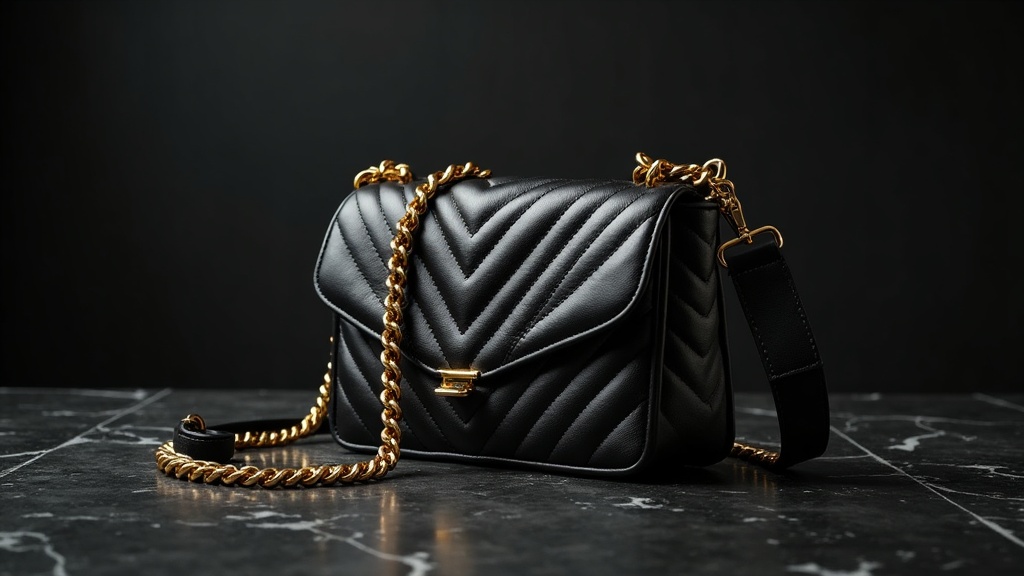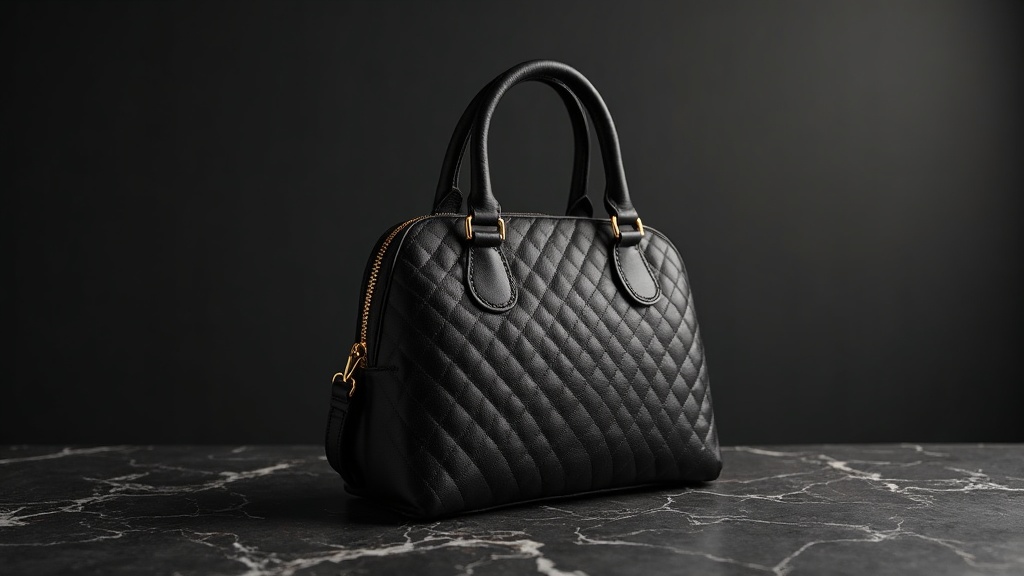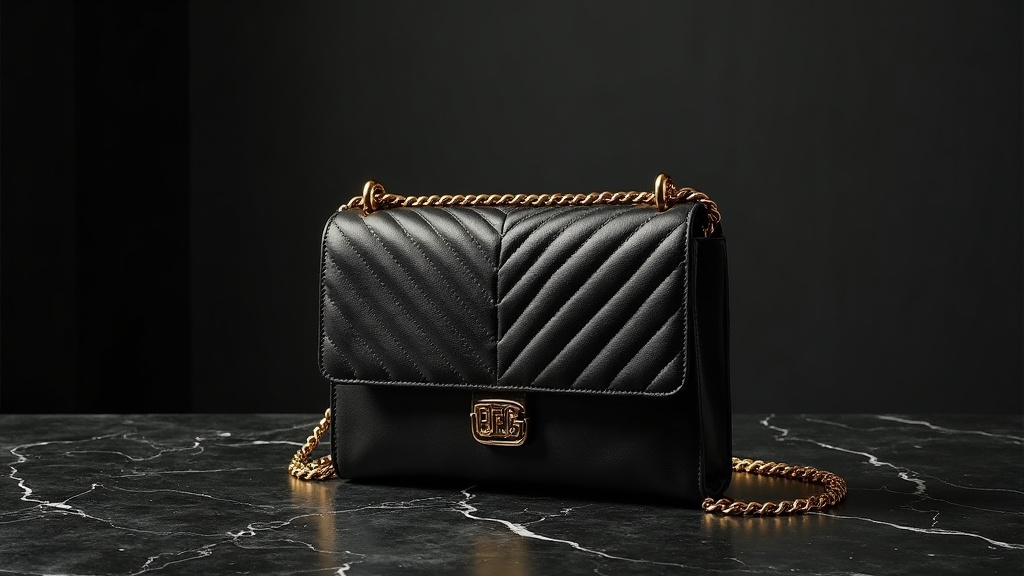
Replica handbag quality varies enormously across the market, and knowing what to look for before you buy can be the difference between a bag that turns heads and one that ends up in the back of the closet. Whether you are shopping for a 1:1 rep Louis Vuitton Neverfull or a mirror-grade Chanel Classic Flap, the same set of physical markers — leather feel, hardware weight, stitching uniformity — separate the top batches from the bargain-bin duds. This guide gives you a practical, hands-on framework for evaluating replica handbag quality like a seasoned buyer.
Understanding Batch Grades
The replica bag world is organised around batches — production runs from a specific factory that share the same materials, tooling, and quality control standards. Factories iterate over time, and a newer batch from the same factory can leapfrog an older one significantly. When sellers advertise "top batch" or "best batch" for a particular model, they are referring to the factory iteration that most closely replicates the original across every measurable dimension.
The Main Batch Tiers
- Mirror-grade / 1:1 batch: Uses materials sourced from the same tanneries or hardware foundries as the original. Dimensions, weight, and texture match the authentic version within a fraction of a millimetre.
- High-grade rep: Very close to the original but may show minor deviations in logo embossing depth or lining material composition. Excellent value for everyday carry.
- Mid-grade rep: Visible shortcuts — thinner hardware plating, looser stitching tension, lighter-weight canvas or PU instead of genuine leather on the body panels.
- Budget knock-off: Incorrect proportions, plastic-feel hardware, glued rather than sewn panels. Avoid unless you literally only need a bag for a costume.
At UADepot, every bag listed in our bags collection is sourced from verified top-batch or mirror-grade factories. We document the batch origin for each SKU so you are never guessing what you are receiving.
Reading the Leather
Leather is the single biggest cost driver in a genuine luxury handbag, and it is also the easiest material to fake badly. High-quality replica bags use full-grain or corrected-grain bovine leather that replicates the pebble texture, matte sheen, or buffed finish of the original. PU (polyurethane) leather, which dominates cheap reps, has a plasticky surface with a uniform, almost mechanical grain pattern that catches light differently from real hide.
What to Check on the Leather
- Grain consistency: On a genuine-leather bag, grain variation is organic and slightly irregular. PU grain is too regular.
- Edge paint: Good batches apply edge paint in multiple coats with a rounded, finished profile. Cheap reps smear a single coat that chips after a few weeks.
- Smell: Real leather has a faintly earthy, tallow smell. PU smells chemical or plastic-sweet, especially when warm.
- Flex and drape: Fold a leather panel gently — quality hide creases naturally and recovers. Stiff or crinkly panels indicate a bonded leather composite or pure PU.
- Pores under a loupe: If you have a 10x loupe handy, real leather shows irregular microscopic pore structures. Synthetic surfaces look smooth or show a stamped grid.
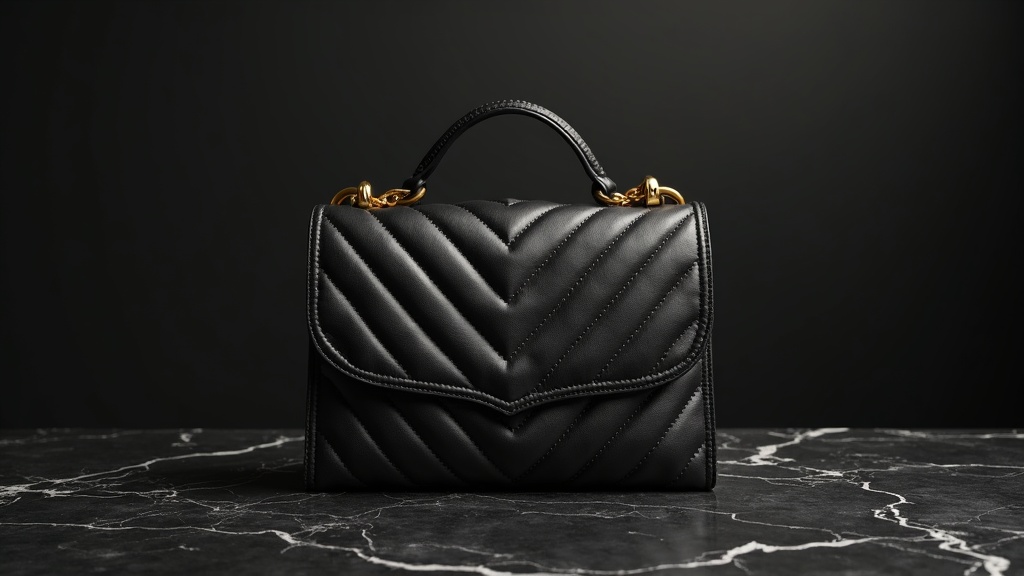
- Glazed calfskin (common on Chanel Flap, Boy): Should have a deep, wet-looking shine without any orange-peel texture. Top batches source the same French tanneries or use equivalent Belgian calfskin.
- Vachetta (raw cowhide on Louis Vuitton Speedy, Neverfull): Starts creamy-pale and should patina to honey-tan under UV. Cheap vachetta is already pre-treated and will not patina naturally.
Evaluating Hardware Quality
Hardware is the second major quality signal and the one most buyers underestimate. Original luxury bags use solid brass or zinc alloy hardware with a thick electroplated finish — gold, silver, or ruthenium. The best replica handbag quality benchmarks match both the alloy composition and the plating thickness, resulting in hardware that feels heavy in the hand and does not show brass bleed-through at the corners after a month of use.
Turn the bag upside down and listen: hardware that shifts or clanks loosely is sitting in poorly machined mounts. Quality hardware sits snug, pivots smoothly on bag rings, and produces a clean metallic click when clasps close. The CC turn-lock on a Chanel Flap, the LV padlock, or the Gucci horsebit should engage with a satisfying snap — not a dull plastic thud.
Logo Embossing and Stamps
Embossed logos — the debossed CHANEL on a Flap, the LOUIS VUITTON blind stamp inside a Speedy, the engraved GUCCI on a horsebit — are laser-measured on top batches. Look for uniform depth across the entire word. Cheap batches show letters that fade toward the ends of the stamp where the die pressure dropped. On Gucci bags specifically, the GG monogram canvas should show consistent colour saturation across the entire sheet with no fading at the seams.
Stitching and Construction
Saddle stitching on a Hermès Birkin or the double-chain quilting on a Chanel bag is the clearest construction signal. Count the stitches per centimetre and compare to publicly documented QC images: Hermès uses 5-6 stitches per centimetre in a hand-sewn saddle stitch; top-batch reps replicate this with lockstitch machines running at the correct tension. What to look for:
- Stitch count matches the original's documented spec (usually 4-8 per cm depending on the bag model).
- Thread colour matches the body leather precisely — not a close pantone, but a direct match.
- No loose tails or frayed thread ends visible at any junction.
- Corner stitching is taut and angled consistently — corners are where cheap batches fail first.
- Interior lining stitching should be as clean as the exterior. A factory cutting corners on lining stitching is cutting corners everywhere.
Interior Details Matter More Than You Think
Casual buyers check the outside. Experienced buyers flip the bag open immediately. Top-batch rep bags replicate the interior suede or Alcantara lining, the placement and font of the serial number stamp, the pocket zipper brand (YKK or equivalent), and the interior structure — the cardboard or felt stiffeners that give the bag its silhouette. A limp, unsupported interior signals a factory that prioritised the exterior presentation for photos and cut costs on the inside structure. Our quality assurance process includes interior inspection photos for every bag SKU we carry.
Frequently Asked Questions
How can I tell if a replica bag uses real leather or PU?
The most reliable at-home test is the warm-hand test: hold a panel in your palm for 30 seconds. Genuine leather warms to your body temperature and feels slightly porous. PU stays neutral or feels slightly clammy. Under a light, real leather reflects softly and irregularly; PU has a more uniform, almost plastic sheen. Edge finishing is also a tell — multi-coat edge paint with a smooth rounded profile indicates real leather construction, since PU panels are usually just folded and stitched without paint.
What does 1:1 replica handbag quality actually mean?
1:1 means the replica is produced to match the original on every measurable dimension: dimensions, weight, material composition, hardware alloy, lining fabric, and stitch count. It does not mean the bag is authentic or brand-authorized — it is an unauthorized reproduction made by an independent factory. The term describes precision of replication, not provenance. A genuine 1:1 batch bag, like those we stock at UADepot, is indistinguishable in everyday use from a retail-purchased original.
Are mirror-grade replica bags worth the premium over standard reps?
For bags you plan to carry regularly and want to hold up over months of use, yes. Mirror-grade batches use thicker hardware plating that resists peeling, higher-grade leather that patinas correctly and does not crack, and tighter stitching that stays intact under the stress of a loaded bag. The cost delta between a mid-grade rep and a mirror-grade rep is usually modest — far less than the difference in longevity and appearance. If you are buying a bag to carry once for an event, mid-grade is fine. If it is going to be a daily rotation piece, invest in the top batch.
Ready to shop with confidence? Browse our full replica handbags collection — every bag ships free worldwide, comes with QC photos, and is backed by our transparent quality assurance process so you know exactly what batch and materials you are getting before it leaves the warehouse.